
Gut Microbiome Sequencing Service
Empower your research with advanced gut microbiome sequencing
High-throughput Next-Generation Sequencing (NGS) of human and animal stool samples
- Cutting-edge microbiome sequencing: High-throughput NGS of faecal samples of human or animal origin
- Flexibility: Choose between Full-Length 16S rRNA Sequencing and V3–V4 Region 16S rRNA Sequencing
- Customized solutions: Tailored services to meet your specific study requirements using our proprietary data management platform
- B2B friendly: Provide your customers with high-quality data
- Data-driven insights: Leverage your R&D projects with meaningful microbiome data
- Collaborative research: Partner with our experts for impactful discoveries

Step by Step
Service Workflow

Sample Collection
Collect your stool sample using the provided Stool Collection Tubes*
Sample Shipment
Send your sample to the lab at room temperature

DNA Extraction
DNA extraction and 16S rRNA sequencing

Data Delivery
Receive your sequencing data through our web platform

Taxonomy Analysis
Taxonomy analysis available by request
Sample Collection
For sample collection, we recommend the use of our Stool Collection Tubes which are designed for stool sample collection and stabilization using a liquid DNA Stabilizer. Our tubes enable safe and easy self-collection at home, requiring no medical assistance or clinical setting. Stabilized samples can be stored for up to 3 months at room temperature without the need of a cooling chain. The sample collection tubes are provided free of charge. Alternatively, you may choose a different sample collection tube (subject to approval) or send the purified DNA extract (minimum 15 ng/µL).

Sample Shipment
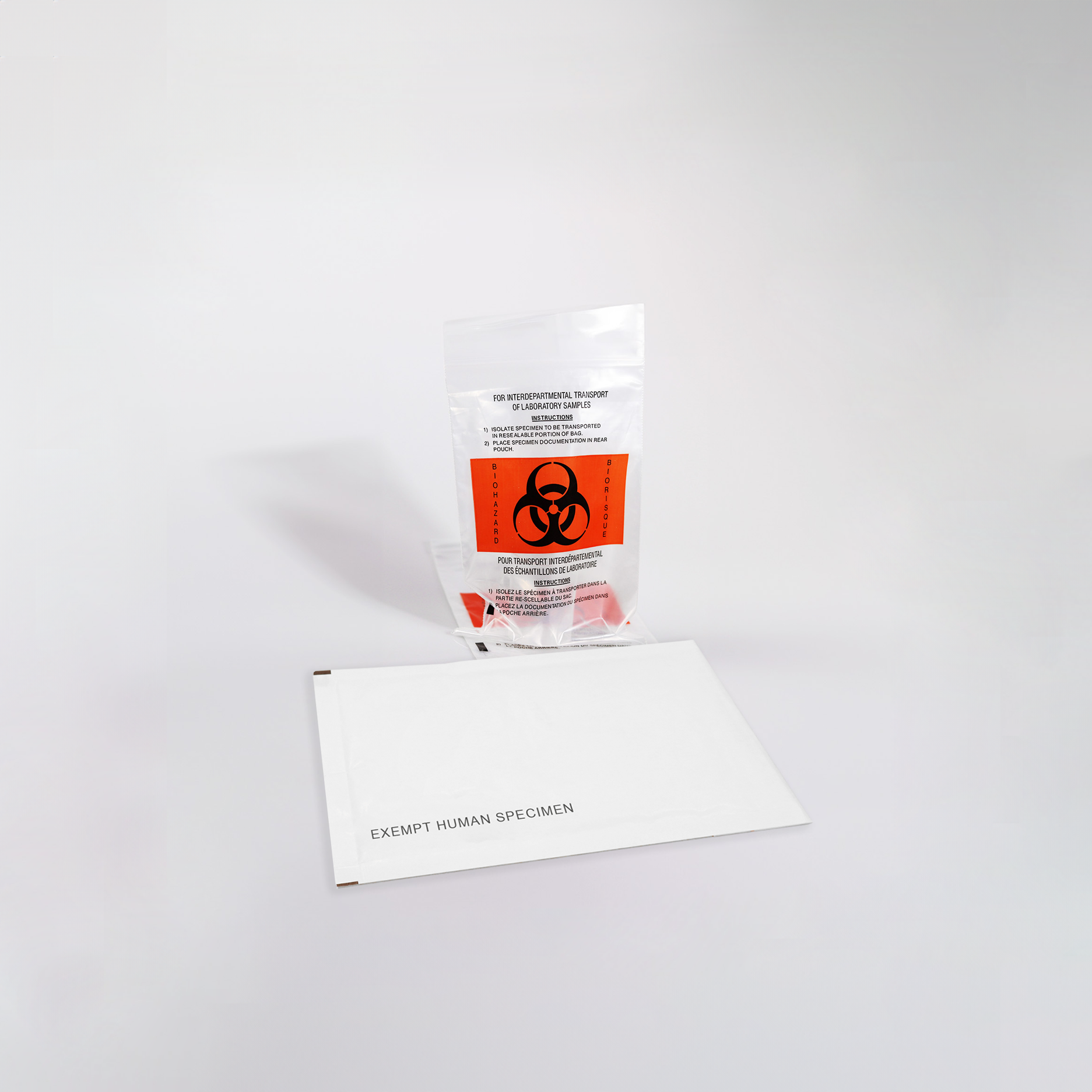
Once the samples are ready for testing, you should ship the anonymized samples to our facilities for DNA extraction (in the case of stool samples) and quality control (QC). Shipping conditions and address are provided with the Stool Collection Tubes upon ordering the service. The shipping container should comply with the Exempt Human Specimen (EHS) packaging rules.
DNA Extraction
For DNA extraction, we use the Invitek Diagnostics' Stool DNA Extraction Kits which provide DNA of the highest purity, eliminating contaminants that can interfere with NGS. Each DNA extract is submitted to strict QC methods before proceeding with NGS sequencing. Customers are promptly contacted when samples do not meet the minimum quality criteria established.

High-Throughput Sequencing
We provide high-resolution microbiome sequencing services through two complementary NGS approaches, allowing you to choose the solution that best fits your research needs.
Full-Length 16S rRNA Sequencing
Amplification and sequencing of the full-length 16S rRNA gene (1,500 bp) using nanopore sequencing. Long sequencing reads enable accurate analysis of known and novel microbes, and precise differentiation of closely related species, revealing the taxonomic composition down to the genus and species level.
V3–V4 Region 16S rRNA Sequencing
Targeted sequencing of the V3 and V4 hypervariable regions of the 16S rRNA gene, the industry-standard approach for gut microbiome profiling. High sequencing depth and robust taxonomic resolution make it ideal for large cohort studies and standardized research protocols.
Both approaches are supported by our proprietary bioinformatics pipelines, delivering comprehensive reports with clear data visualizations.

Data Availability and Bioinformatics Analysis
The raw sequencing data will be made available to you via our online platform, which facilitates access to the FASTQ files. These are stored and made available for 2 years (upon request).
We also provide data analysis using proprietary advanced bioinformatics pipelines, with taxonomic assignment of bacterial species based on the NCBI taxonomy database. The results are compiled into a comprehensive report, including clear data visualizations and easy-to-understand descriptions. All samples are analysed individually. For each sample, you will receive the sequencing raw data in .fastq.gz files, tables (.csv) summarizing the read counts and relative abundances of bacterial species (and upstream taxonomic levels) and summary report. Comparative data analyses and comprehensive interpretation of the results can be performed (upon request) as an additional service. Our experts are available to discuss your results and answer any questions you may have.
Our Service
Why Choose Our Microbiome Sequencing Service?
- High-Throughput: Management of large cohort studies
- Comprehensive Data: In-depth insights into the gut microbiome
- Expert Guidance: Access to experienced microbiome researchers
- Publication-Ready Data: Accelerate research publications
- Flexibility: Run the raw data in your own pipeline
V3–V4 Region 16S rRNA Sequencing.
Safe and easy self-collection at home.
Access via online platform.
Data analysis using proprietary advanced bioinformatics.
Get in touch with us
Need assistance with pricing or have a question in mind? Our team is always here to support you, whether you're interested in placing an order or have a technical inquiry.
CONTACT US