Connecting molecular insights across human health, animal health, food & agriculture, and the environment.
Antimicrobial resistance (AMR) does not exist within a single sector. Resistant microorganisms and resistance genes can emerge and circulate across people, animals, food and agricultural systems, and the environment, creating a connected challenge that requires connected surveillance.
Human health, animal health, food & agriculture and the environment are interconnected, with AMR at the centre.

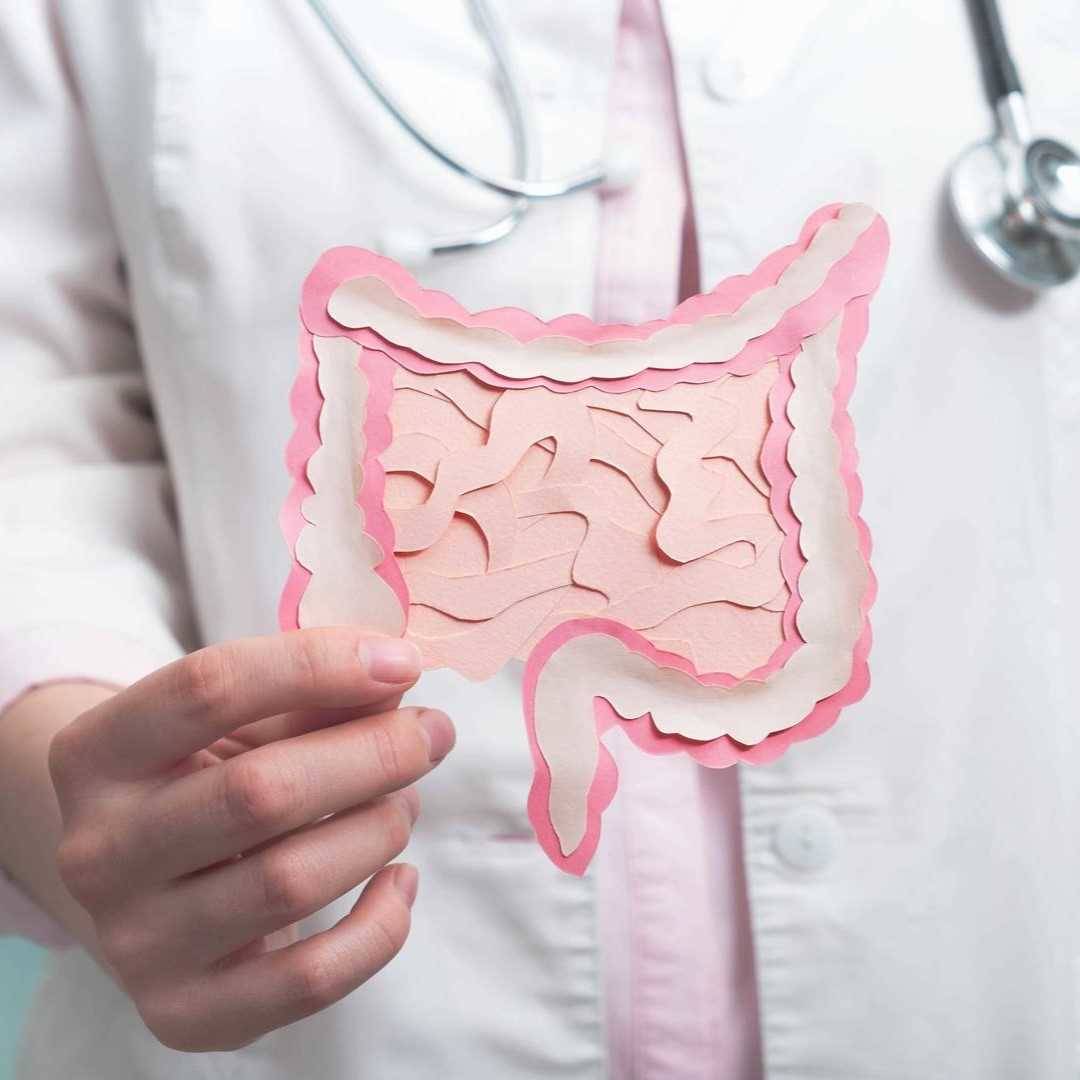
AMR surveillance can help identify resistance determinants circulating in human populations and support research into changing resistance patterns.

Monitoring resistance genes in veterinary and animal-health settings contributes another important part of the One Health picture.

The food chain connects animals, agriculture, the environment and people. AMR surveillance across food production and related environments can contribute to understanding how resistant microorganisms and resistance determinants circulate through these interconnected systems.

Water, wastewater, soil and other environmental matrices can provide valuable information about resistance determinants circulating beyond individual human or animal hosts.
What happens in one environment can influence another. One Health surveillance aims to see the connections.
Traditional microbiological methods remain important for characterizing antimicrobial susceptibility. Molecular methods provide complementary information by enabling targeted detection of known resistance genes.
For AMR surveillance, this creates opportunities to screen samples closer to their source, investigate defined resistance markers rapidly and generate comparable molecular information across different One Health settings.
Molecular detection identifies selected genes associated with antimicrobial resistance, providing information that complements, rather than replaces, culture-based susceptibility testing.
A high-level view of how a sample becomes comparable molecular surveillance information.
Human, animal, food/agricultural and environmental sources provide different windows into AMR.
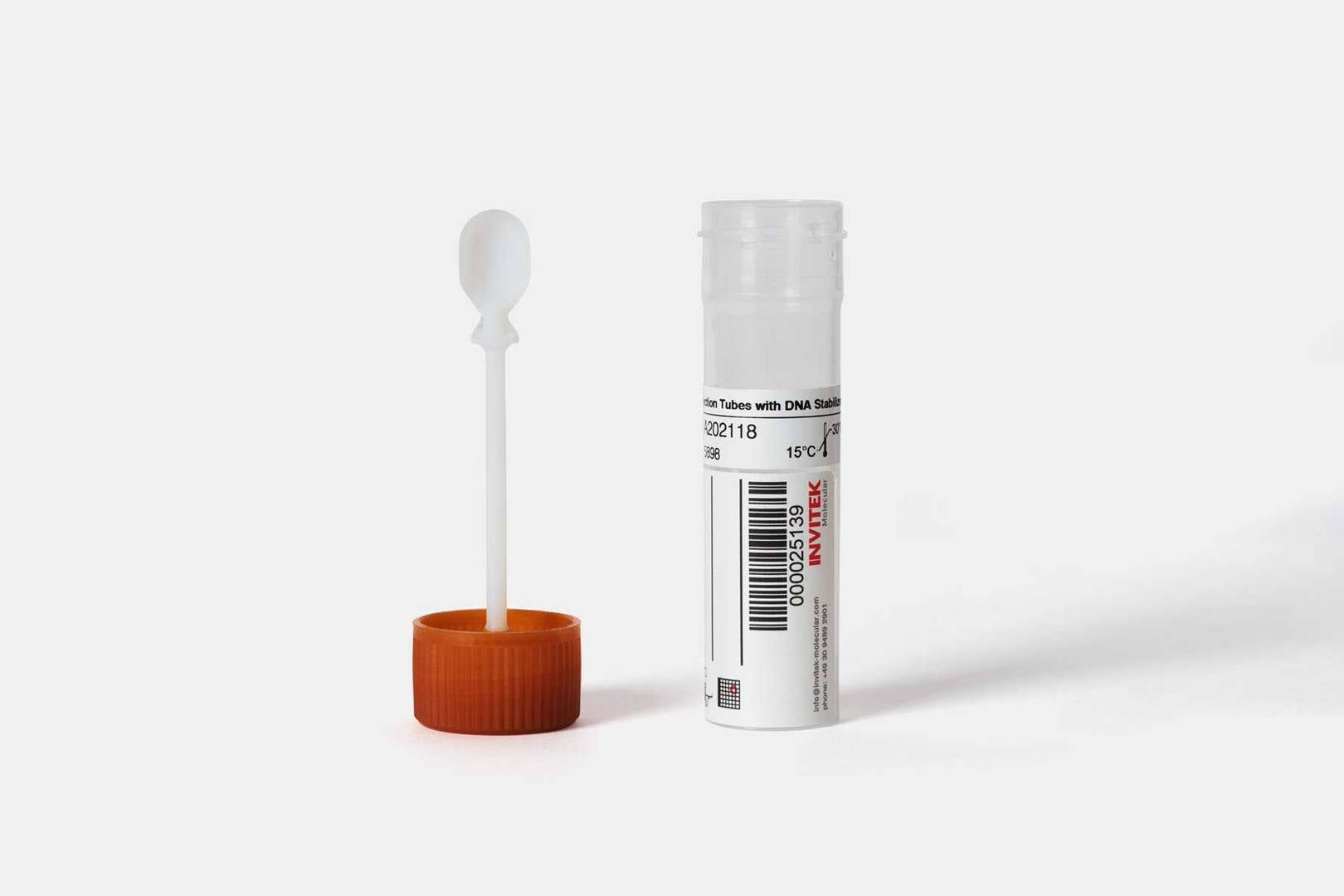
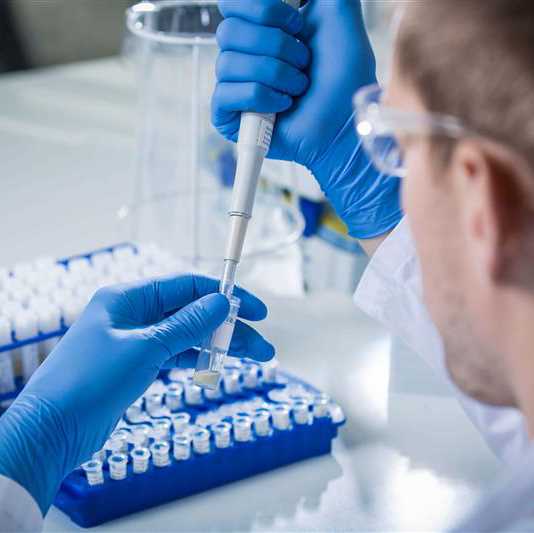
Reliable nucleic acid preparation creates the foundation for molecular analysis.
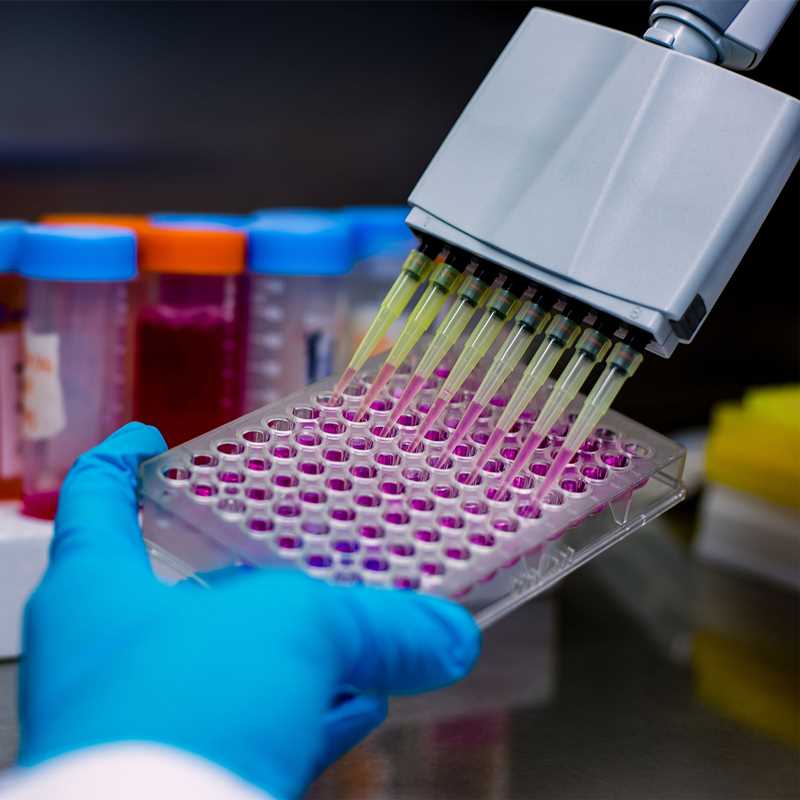
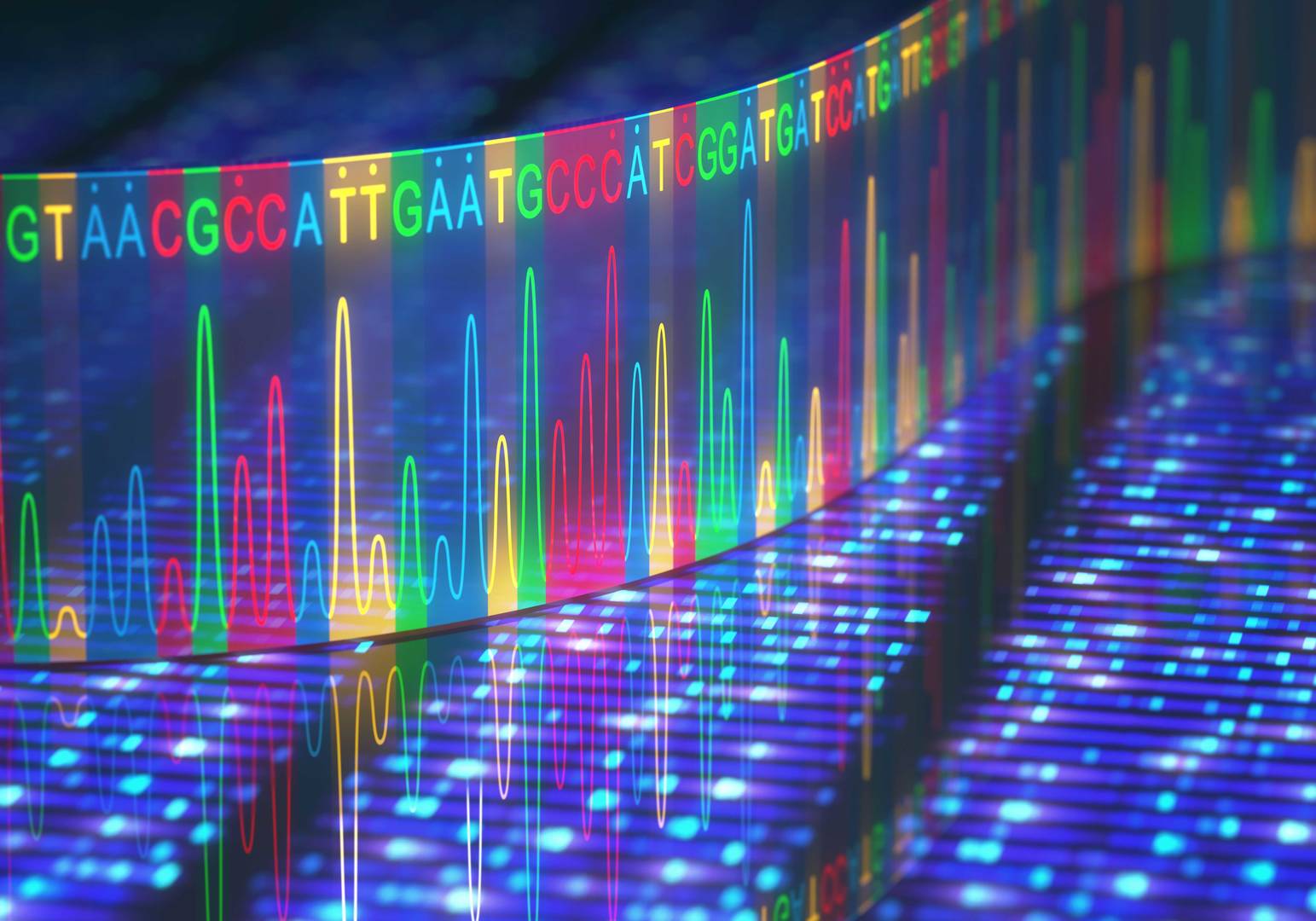
Targeted molecular assays screen for defined resistance genes.
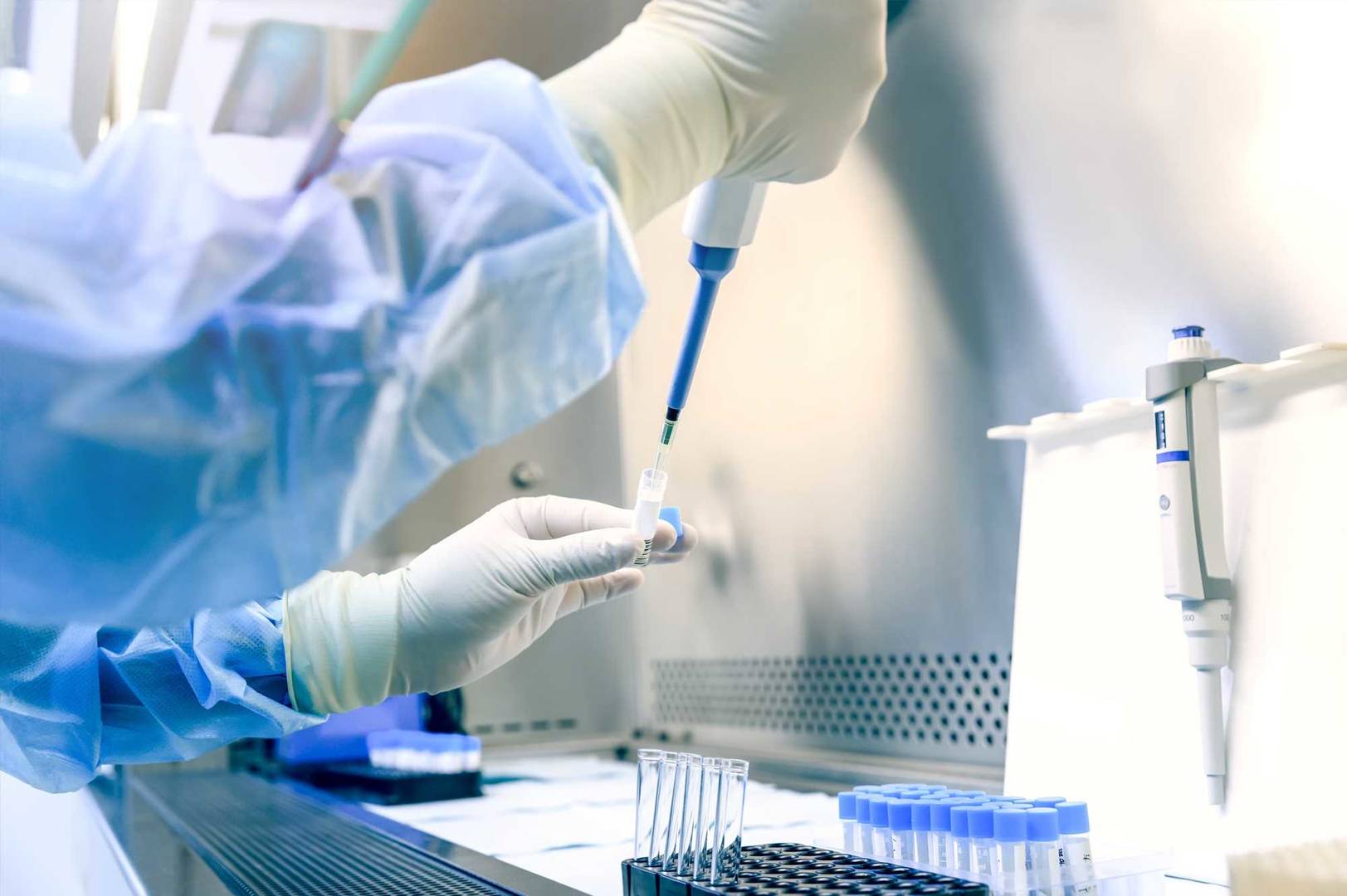
Standardized molecular results provide information that can be compared across testing settings.
Results from different settings can contribute to a broader view of AMR circulation.
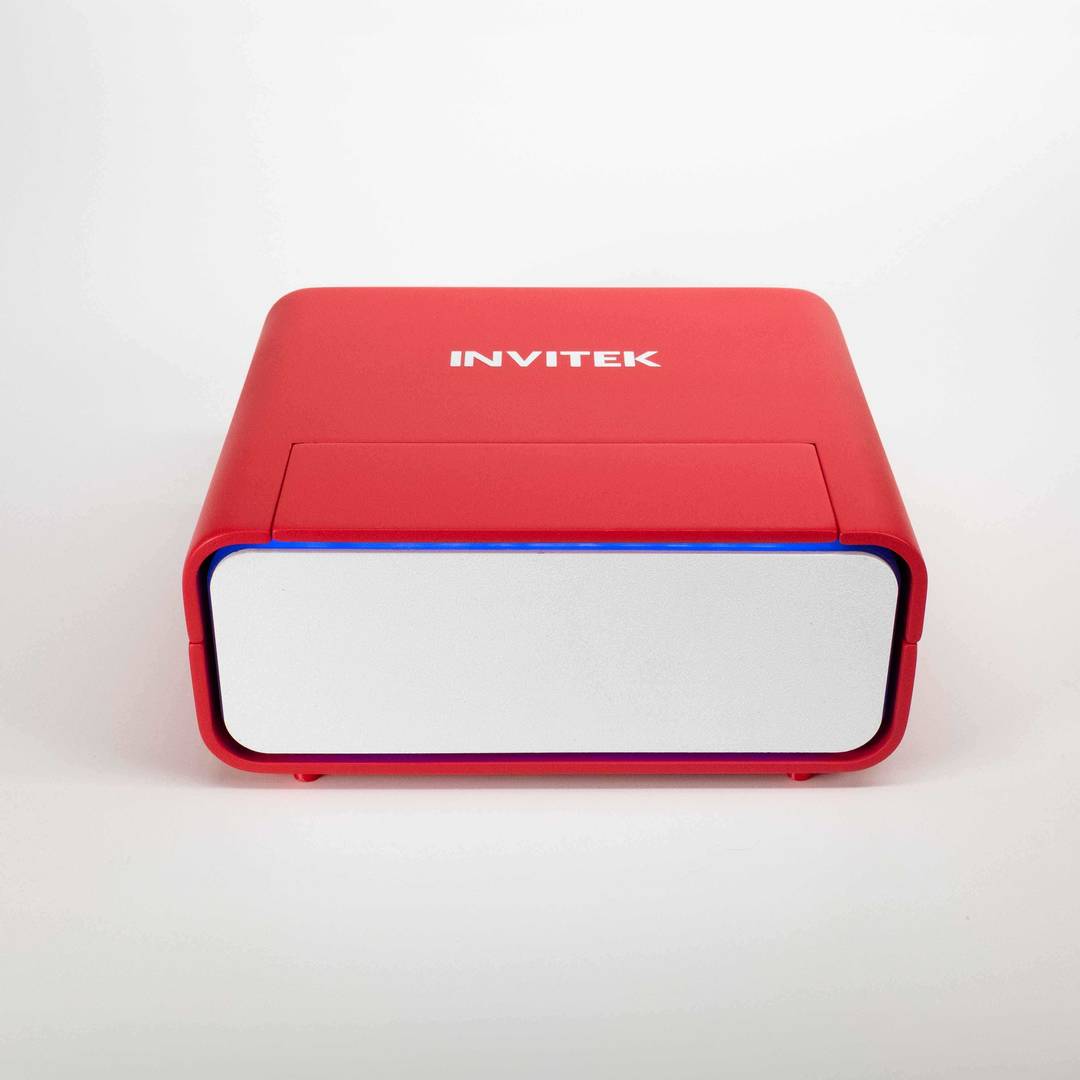
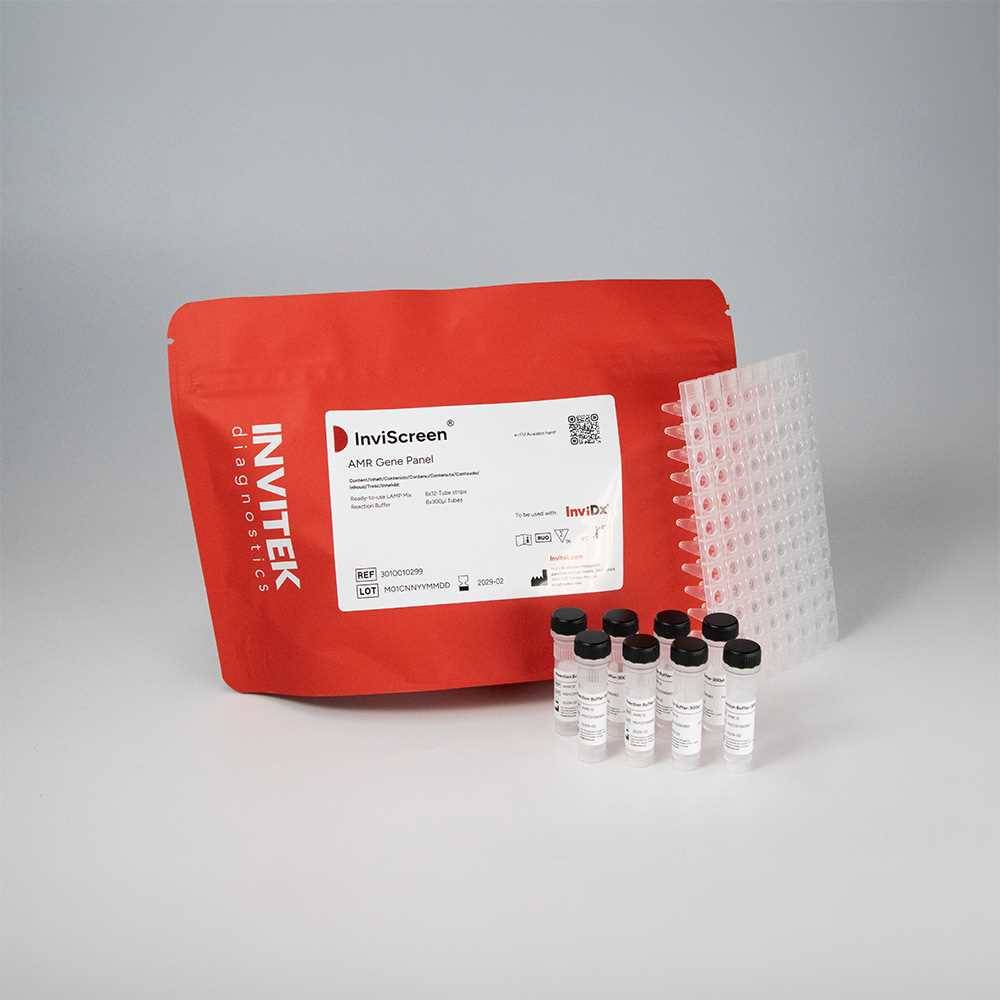
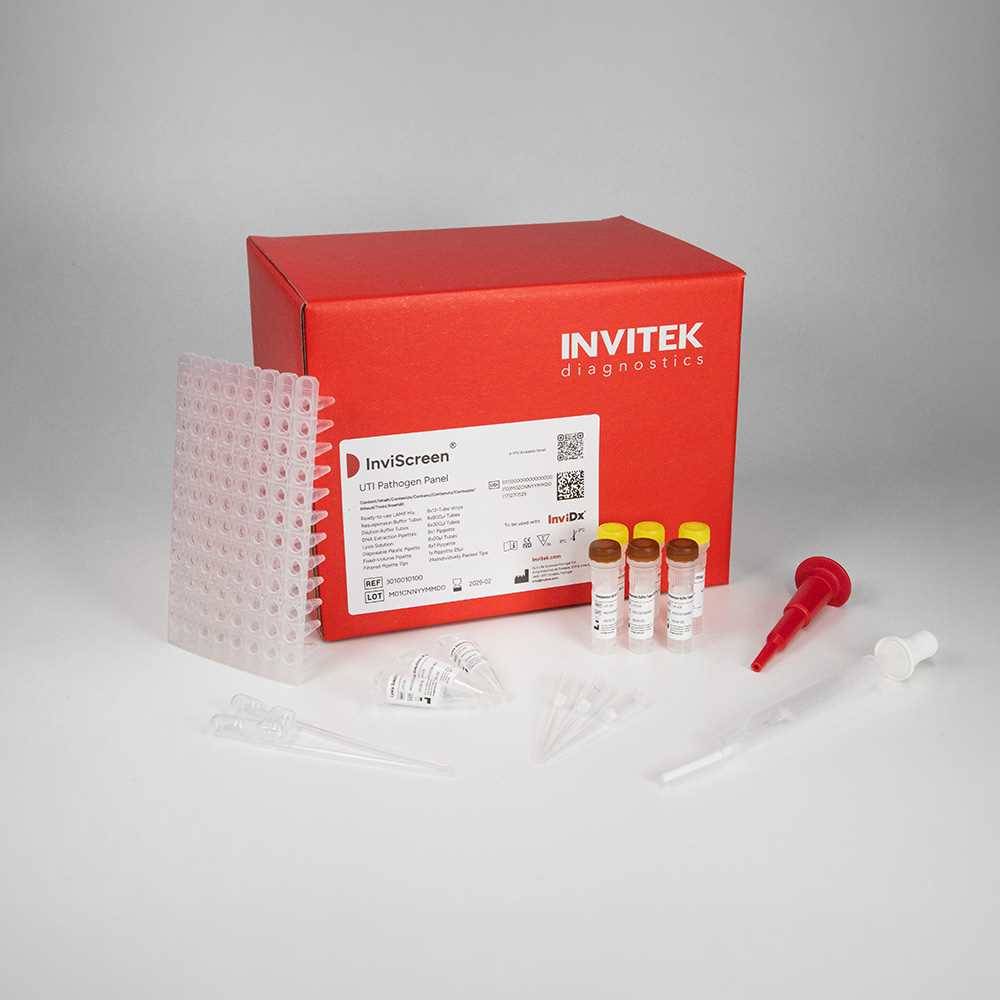
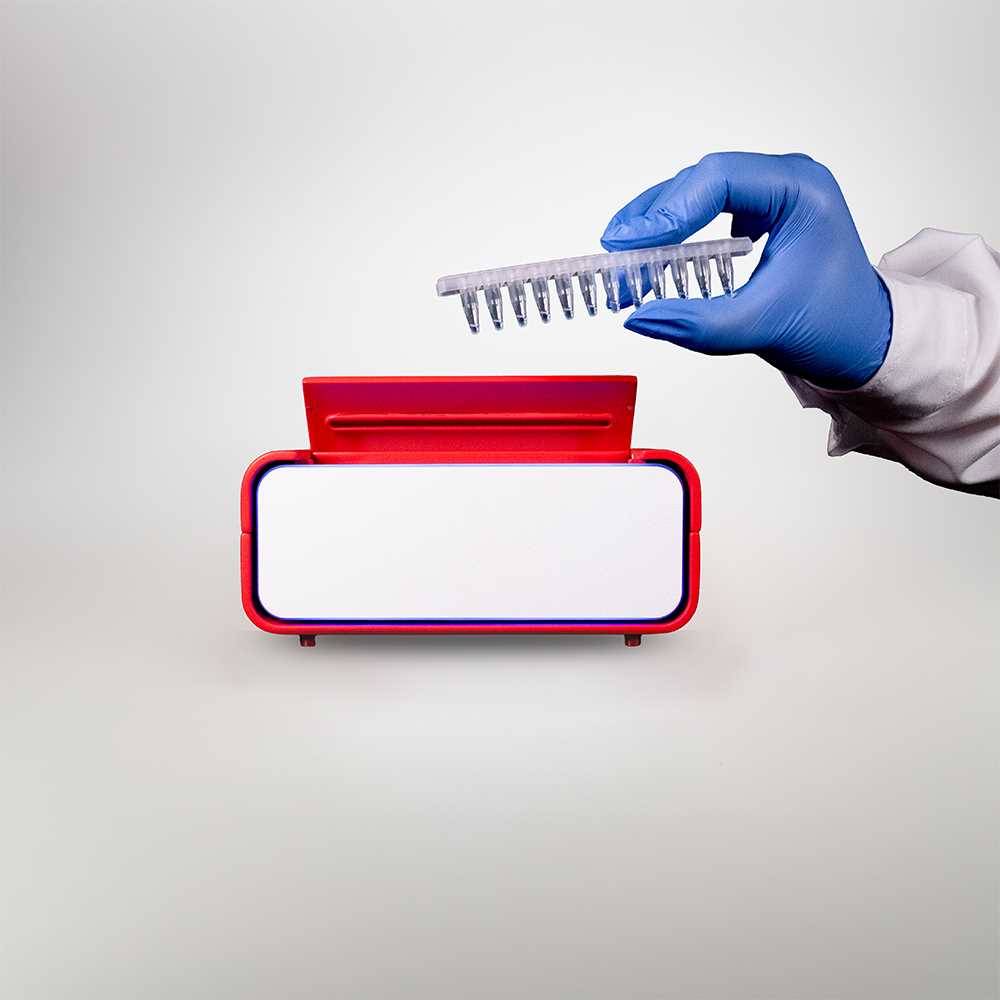
The InviDx® System brings rapid molecular detection into decentralized research and surveillance environments. Combined with the InviScreen® UTI Pathogen Panel and InviScreen® AMR Gene Panel, it enables targeted detection of clinically relevant bacteria and selected antimicrobial resistance genes across human, animal, food, and environmental sample types.
AMR is bigger than one pathogen, specimen or setting. The InviScreen® AMR Gene Panel is designed to analyse previously isolated DNA from different human, animal and environmental sample types, enabling the same targeted molecular approach across diverse One Health surveillance contexts.
Reliable AMR detection begins with reliable nucleic acid preparation.
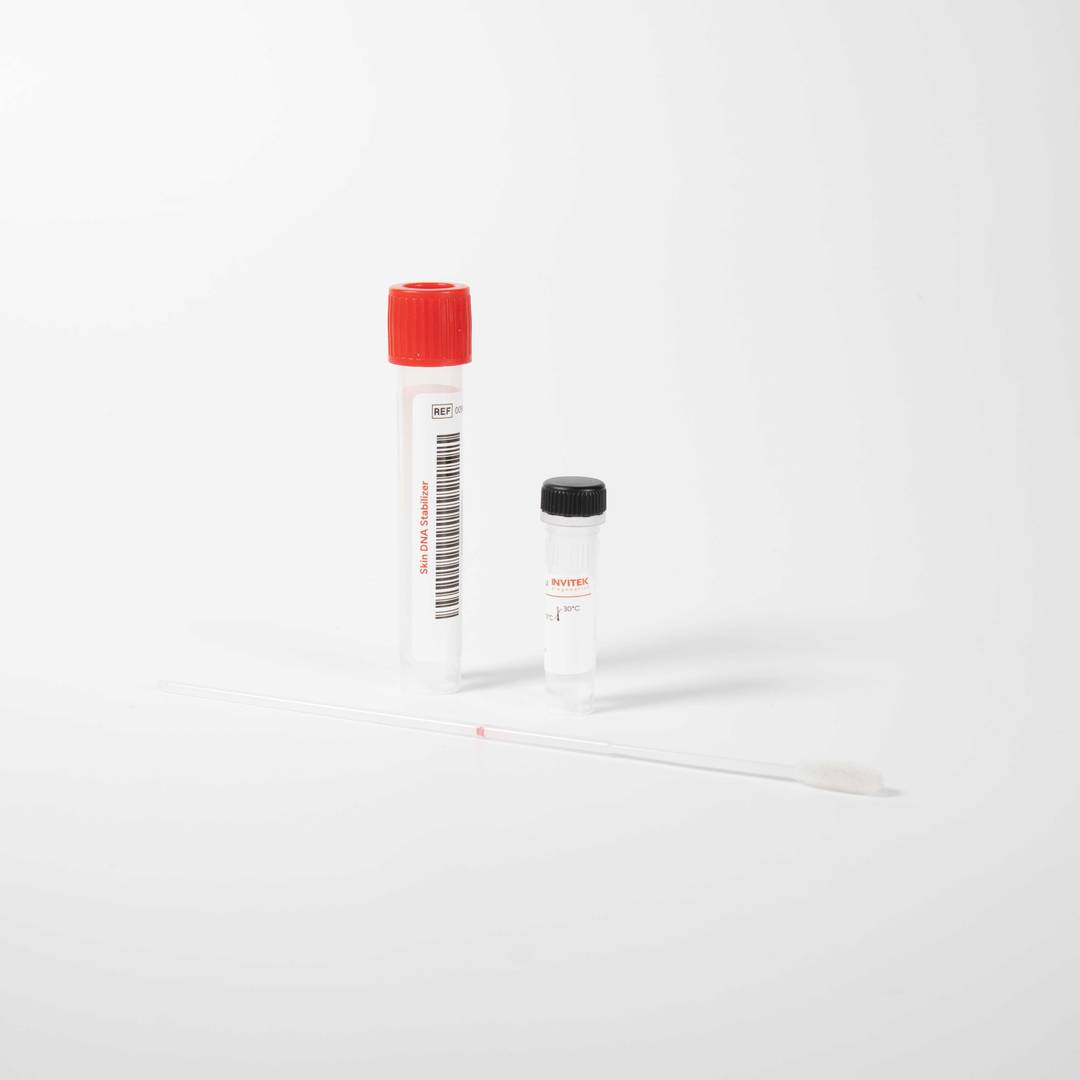
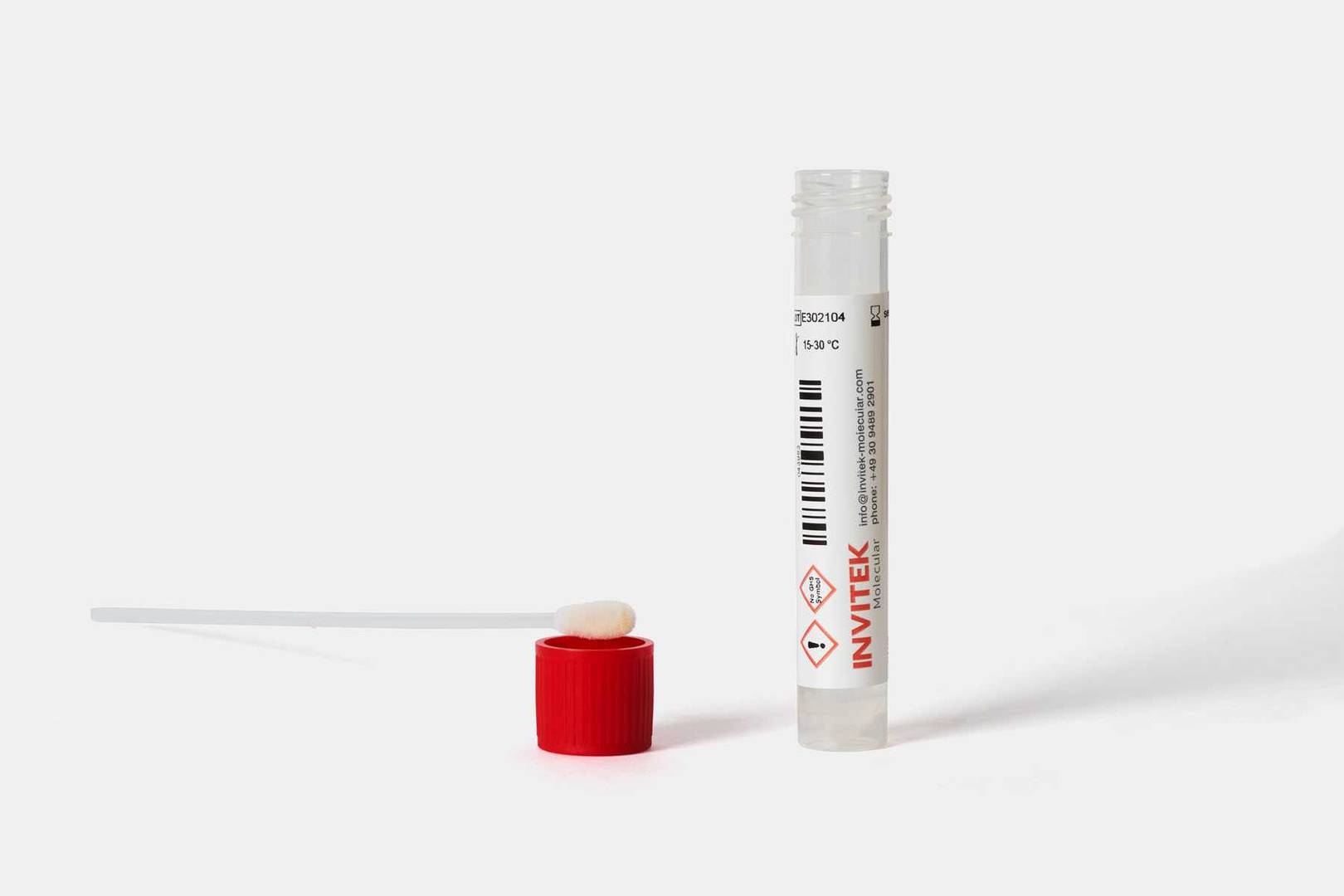
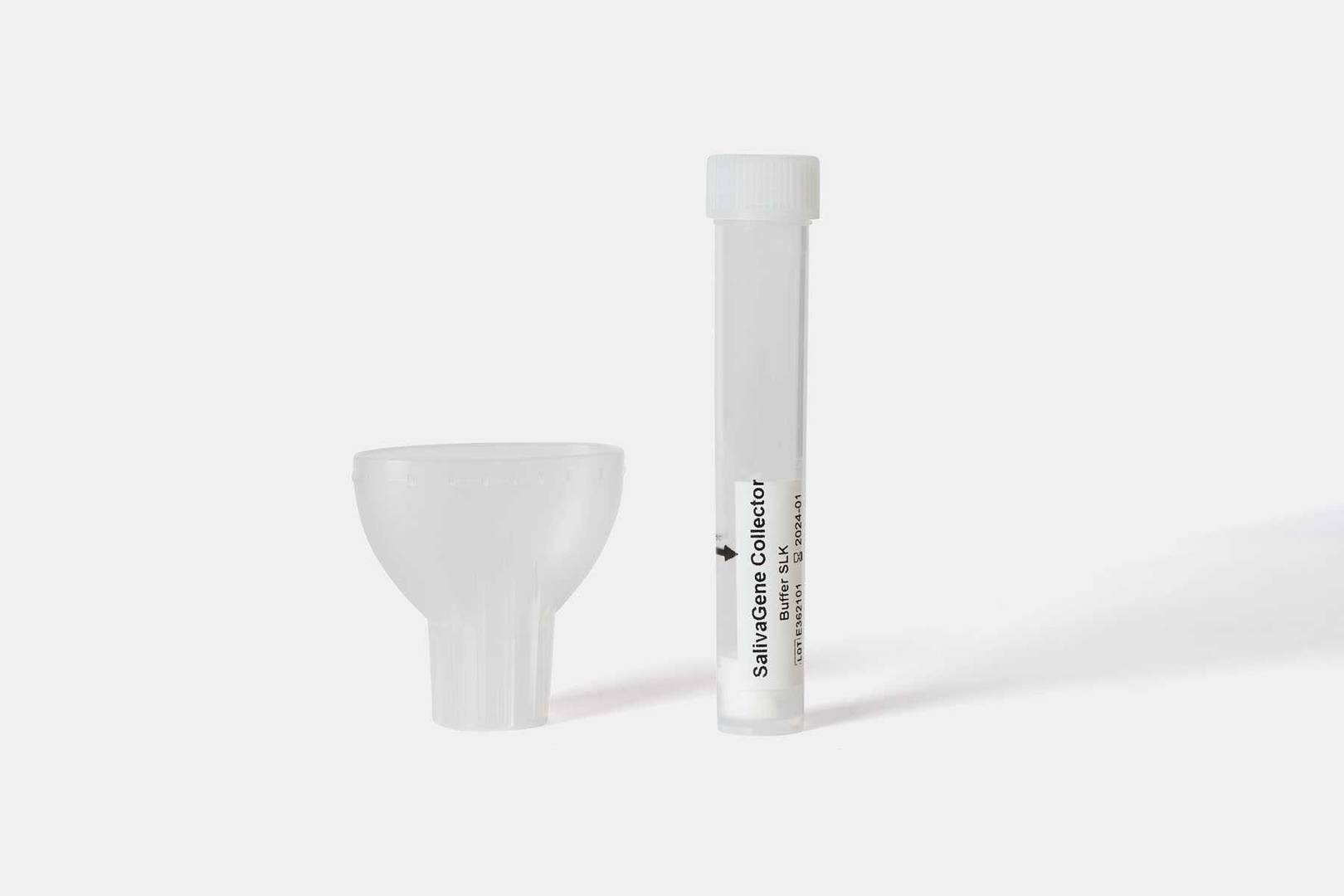
Invitek Diagnostics brings expertise in DNA and RNA extraction together with decentralized molecular detection technologies.
This supports different stages of the One Health molecular workflow, from preparing diverse biological and environmental samples to targeted detection of resistance markers.
AMR connects human health, animal health, food and agricultural systems, and the environment. Molecular surveillance can help make those connections more visible.
Talk to our team about your One Health AMR workflow.
Contact us








.jpeg)







 Search