
Pathogen PCR detection

The InviScreen® Pathogen Detection Kits

Detecting microorganisms in complex food matrices is crucial for food quality and consumer safety. Quick results are especially vital for perishable food items like fresh meat, fish, dairy products, and vegetables. InviScreen® kits for foodborne pathogen detection follow ISO standards and use real-time PCR methods for specific microorganism detection in food and feed matrices.
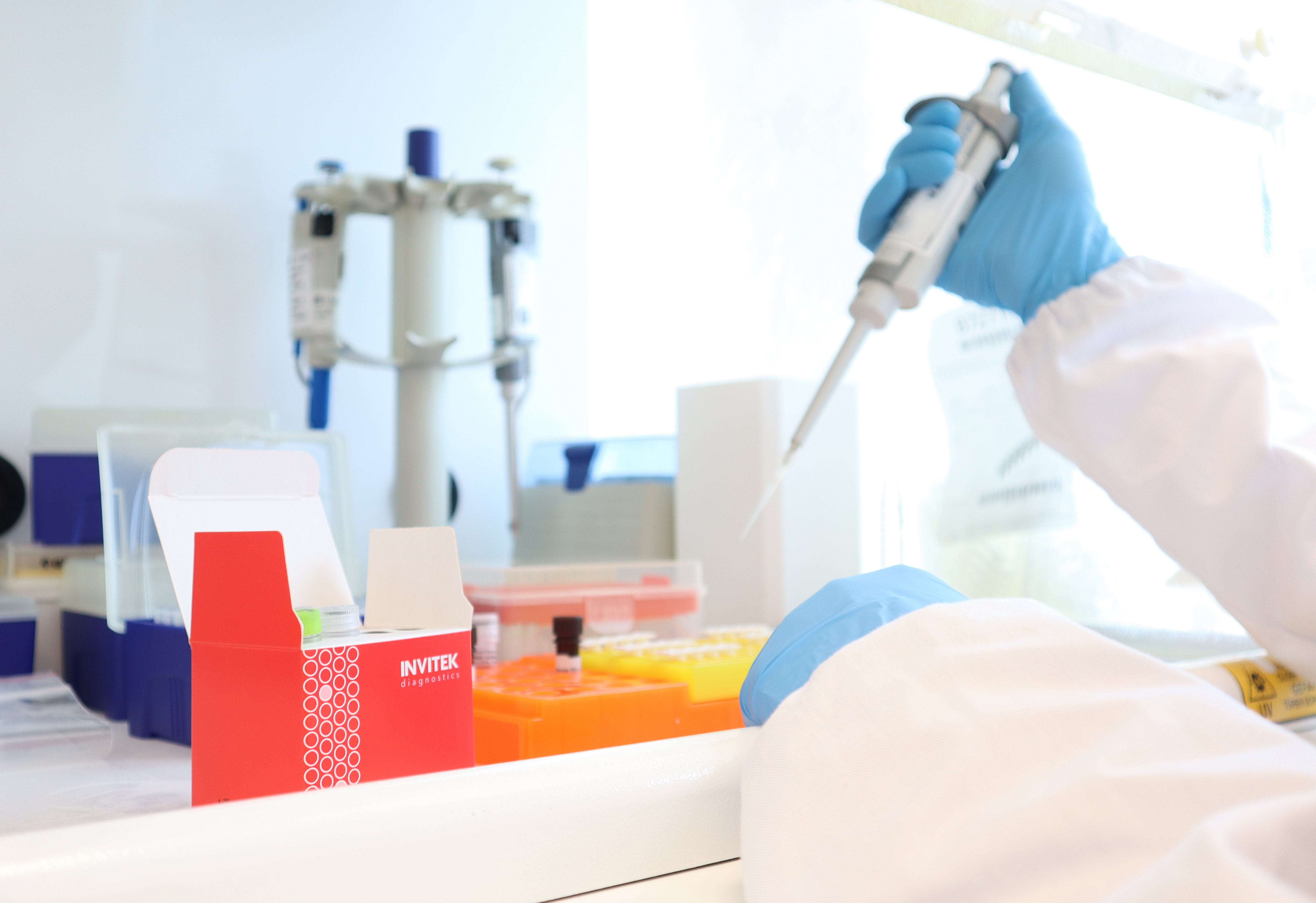
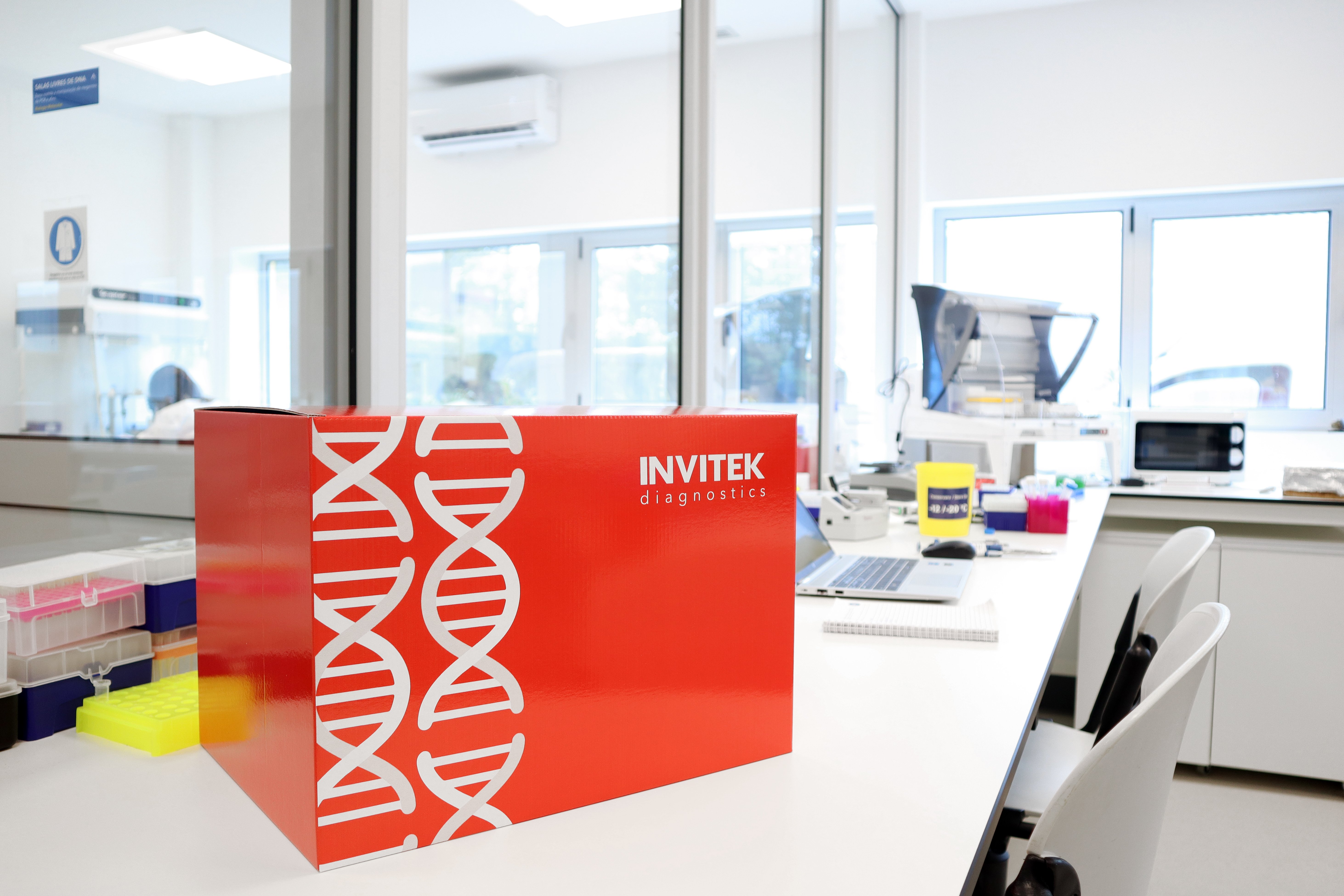
InviScreen PCR product box

DNA/RNA extraction from foodborne pathogens

The Invitek Extraction Kits provide a convenient and reliable way to extract nucleic acids from pathogenic organisms in food and feed samples with high reproducibility. For rapid preparation of pre-enriched samples, the InviPrep® Fast Lysis Buffer enables fast DNA extraction from bacteria and fungi. The manual InviSorb® Lyo Pathogen Kit supports simultaneous DNA/RNA isolation with highest yield and purity for sensitive pathogen detection.

InviSorb kit box in lab

FAQs

  • 1. What is foodborne pathogen detection and why is it critical for food safety?

    Foodborne pathogen detection involves identifying disease-causing microorganisms — including bacteria and viruses — in food and feed samples. Rapid and accurate detection is essential for protecting consumers from illness, ensuring regulatory compliance, and preventing the distribution of contaminated products. Speed is particularly critical for perishable foods such as fresh meat, fish, dairy products, and vegetables, where delays in results can have significant public health and commercial consequences.

  • 2. What foodborne pathogen detection kits does Invitek offer?

    Invitek offers the following InviScreen® real-time PCR detection kits for foodborne pathogens:

    KitTarget
    InviScreen® STEC Detection KitShiga toxin-producing E. coli (STEC)
    InviScreen® STEC Serotyping KitSTEC serotype identification
    InviScreen® O157:H7 Detection KitE. coli O157:H7 serotype
    InviScreen® Salmonella spp. Detection KitSalmonella species
    InviScreen® Clostridium Botulinum Detection KitNeurotoxin-producing clostridia (BoNT A, B, E, F)
    InviScreen® Hepatitis A Virus Detection KitHepatitis A Virus (HAV)
    InviScreen® Norovirus Detection KitNorovirus genogroups GI and GII
  • 3. What ISO standards do Invitek's pathogen detection kits comply with?

    Invitek's InviScreen® kits are developed in accordance with the relevant ISO standards for each pathogen:

    • ISO/TS 13136 – for STEC E. coli detection
    • ISO/TS 17919 – for Clostridium botulinum detection
    • ISO/TS 15216 – for Norovirus detection
    • ISO 6579-1:2017 (and Amendment 1:2020) – for Salmonella spp. detection

    This ISO alignment ensures that results are recognised across regulatory frameworks and are suitable for official food safety testing programmes.

  • 4. Has Invitek's Salmonella detection kit received any independent third-party certification?

    Yes — the InviScreen® Salmonella spp. Detection Kit has received two significant independent certifications:

    • AOAC Performance Tested Methods℠ (PTM) Certification – validating accuracy and reliability across food matrices including raw ground beef, raw ground turkey, raw milk, cut cantaloupe, and pasteurised liquid eggs, Ready-to-Eat (RTE) products, raw poultry, fresh produce and fruits, egg products, as well as animal food and feed, and environmental samples. Most matrices deliver results in less than 10 hours total.
    • MicroVal Certificate (January 2025) – validated by Q Laboratories against ISO 6579-1:2017, covering six food categories including dairy, meat, poultry, eggs, and fresh produce.

    These certifications provide laboratories with a high level of confidence in the kit's performance for global food safety testing.

  • 5. What is the sensitivity of Invitek's foodborne pathogen detection kits?

    Invitek's InviScreen® pathogen kits offer high analytical sensitivity suited to food safety requirements:

    • STEC Detection Kit: as low as 3 genomic units
    • Clostridium Botulinum Detection Kit: as low as 10 genome copies/µl
    • Norovirus Detection Kit: as low as 10 copies/µl

    This high sensitivity minimises the risk of false-negative results, enabling timely intervention to prevent contaminated products from reaching consumers.

  • 6. Do Invitek's pathogen kits include internal controls, and why does this matter?

    Yes. All InviScreen® foodborne pathogen detection kits include internal amplification controls (IAC) and extraction controls as required by their respective ISO standards. These controls:

    • Confirm that DNA/RNA extraction was successful
    • Detect the presence of PCR inhibitors that could suppress amplification and cause false-negative results
    • Validate the integrity of the entire workflow from sample preparation through to detection

    This makes the kits reliable even in complex food matrices where inhibitory compounds are common.

  • 7. Which extraction kits are recommended prior to using InviScreen® pathogen detection kits?

    Invitek recommends the following extraction kits depending on the target pathogen type:

    • InviPrep® Fast Lysis Buffer – for ultra-fast DNA extraction from bacteria and fungi in pre-enriched food samples in less than 20 minutes; ideal for bacterial pathogens
    • InviSorb® Lyo Pathogen Kit – for viral and bacterial nucleic acid extraction; features lyophilised extraction buffer (containing Proteinase K, lysozyme, carrier RNA, and lysis buffer) in a single-step lysis format, reducing hands-on time and plastic consumption
  • 8. What is the InviScreen® STEC Detection Kit and how does it work?

    The InviScreen® STEC Detection Kit screens for the presence of Shiga toxin-producing E. coli (STEC) in food, feed, and environmental samples using real-time PCR, in compliance with ISO/TS 13136. It detects STEC-associated virulence genes with a sensitivity down to 3 genomic units. For confirmed serotype identification, the InviScreen® STEC Serotyping Kit and InviScreen® O157:H7 Detection Kit can be used as follow-on tests — the O157:H7 kit specifically targets the rfbE and fliC genes, which encode the virulence marker and H-antigen associated with the O157:H7 serotype.

  • 9. Can Invitek's pathogen detection kits detect both bacterial and viral pathogens?

    Yes. Invitek's InviScreen® range covers both:

    • Bacterial pathogens: STEC E. coli, Salmonella spp., Clostridium botulinum
    • Viral pathogens: Norovirus (genogroups GI and GII), Hepatitis A Virus (HAV)

    For viral detection, the workflow includes a virus recovery and concentration step from the food sample, followed by viral RNA extraction using the InviSorb® Lyo Pathogen Kit, and finally real-time RT-PCR detection using the relevant InviScreen® kit.

  • 10. What sample types and food matrices are compatible with Invitek's pathogen detection workflow?

    Invitek's pathogen detection kits are applicable to a wide range of food, feed, and environmental sample types, including:

    • Raw and ready-to-eat meat and poultry products
    • Dairy products (including raw and pasteurised milk)
    • Eggs and egg products
    • Fresh produce and fruits
    • Seafood (fish and shellfish)
    • Environmental swabs from food production and handling areas
    • Animal feed matrices

    The InviSorb® Lyo Pathogen Kit offers optimised protocols across these diverse matrices, ensuring high-quality nucleic acid recovery and reliable downstream PCR results.